The Villas of the Riviera del Brenta

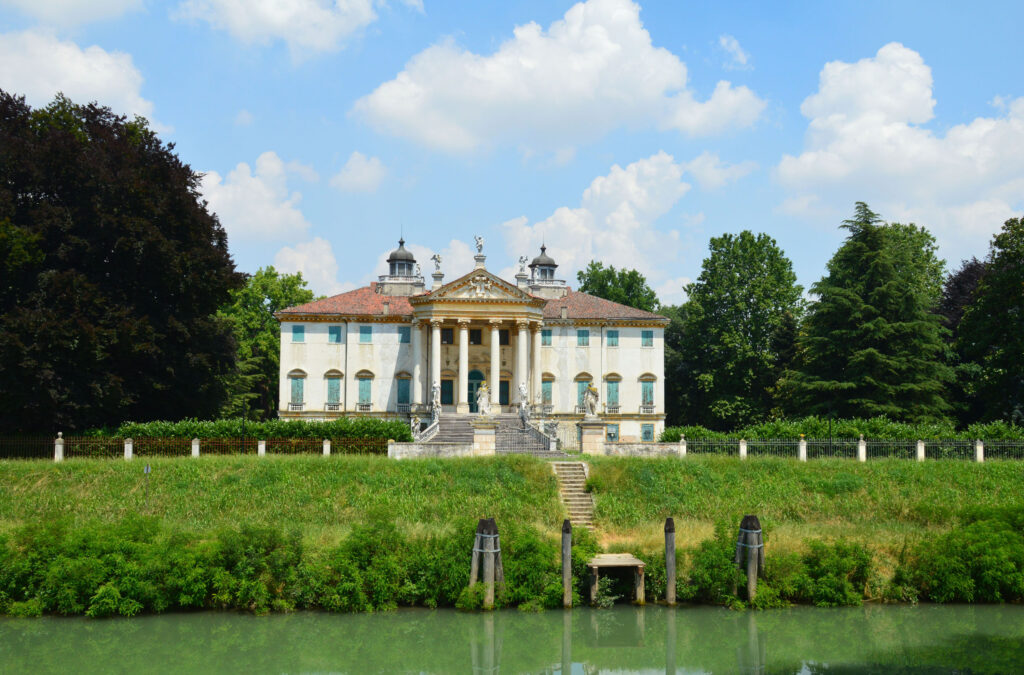
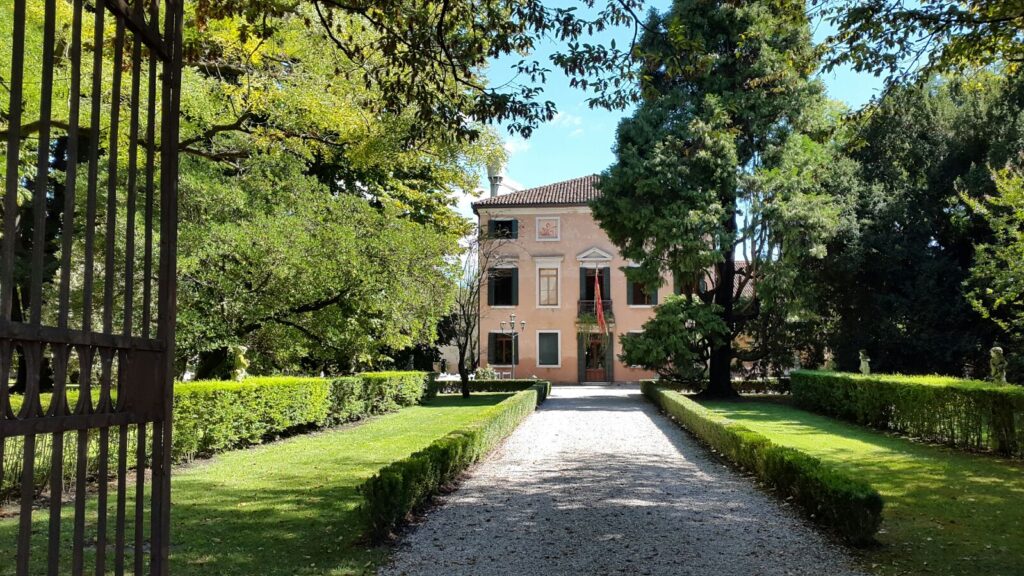
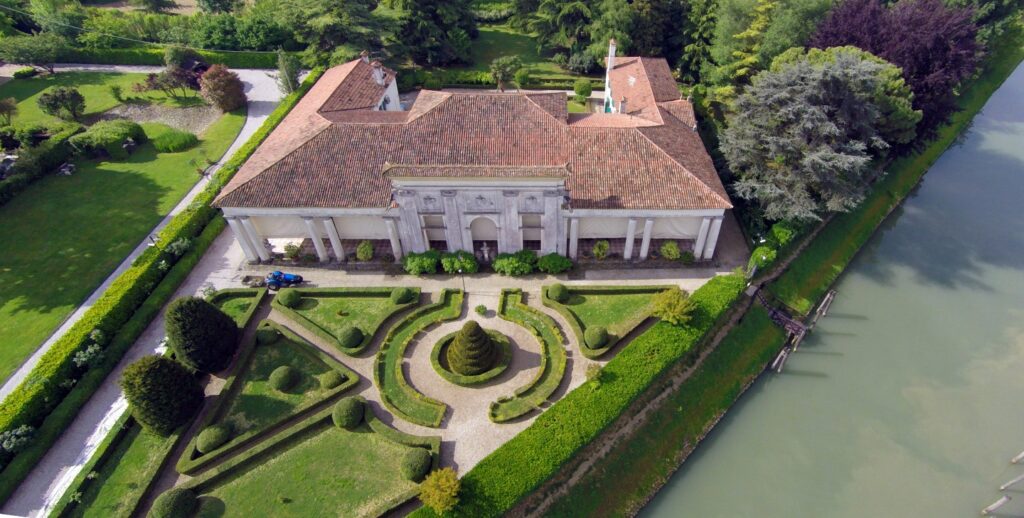
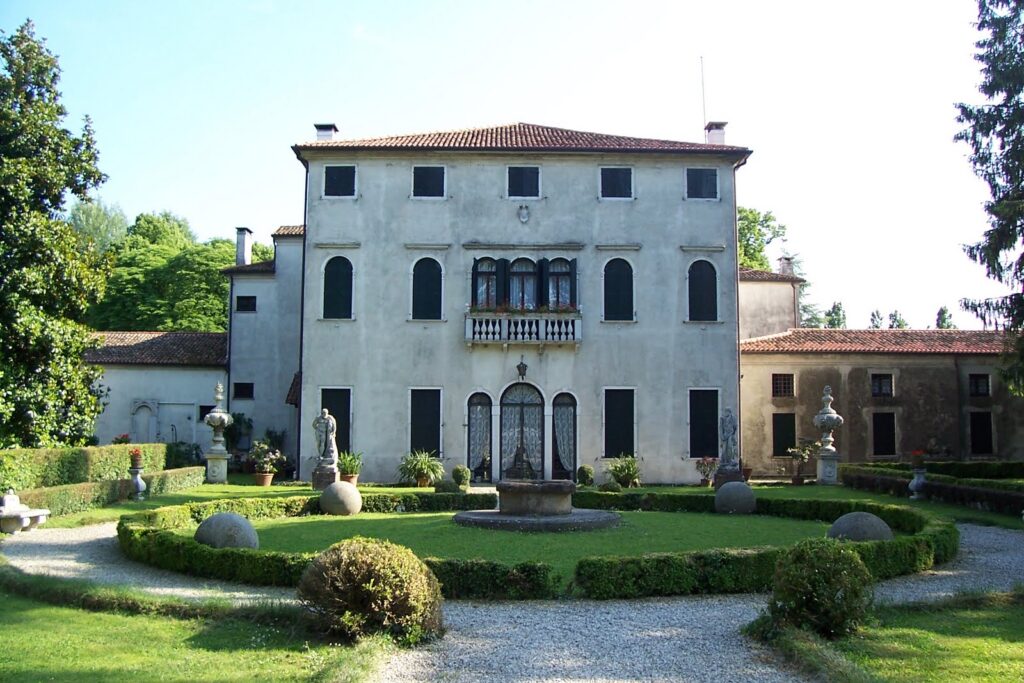
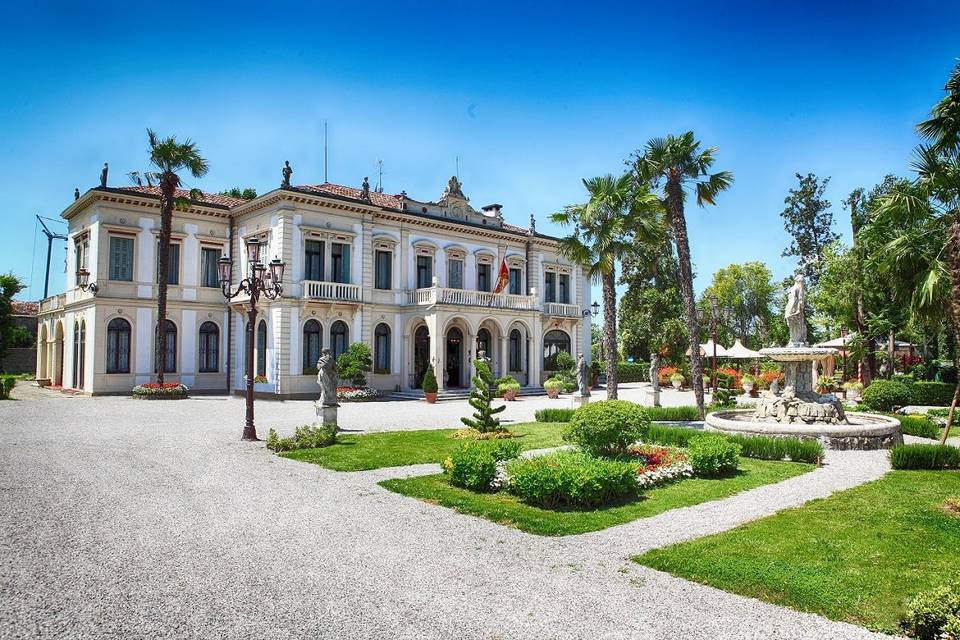
There is no better setting than the sweeping background of Villa Ducale to meet Elisabetta Fogarin, co-owner and president of the Consorzio Ville Venete association. From her proud gaze transpires all the passion for her job, her land and the Arts.
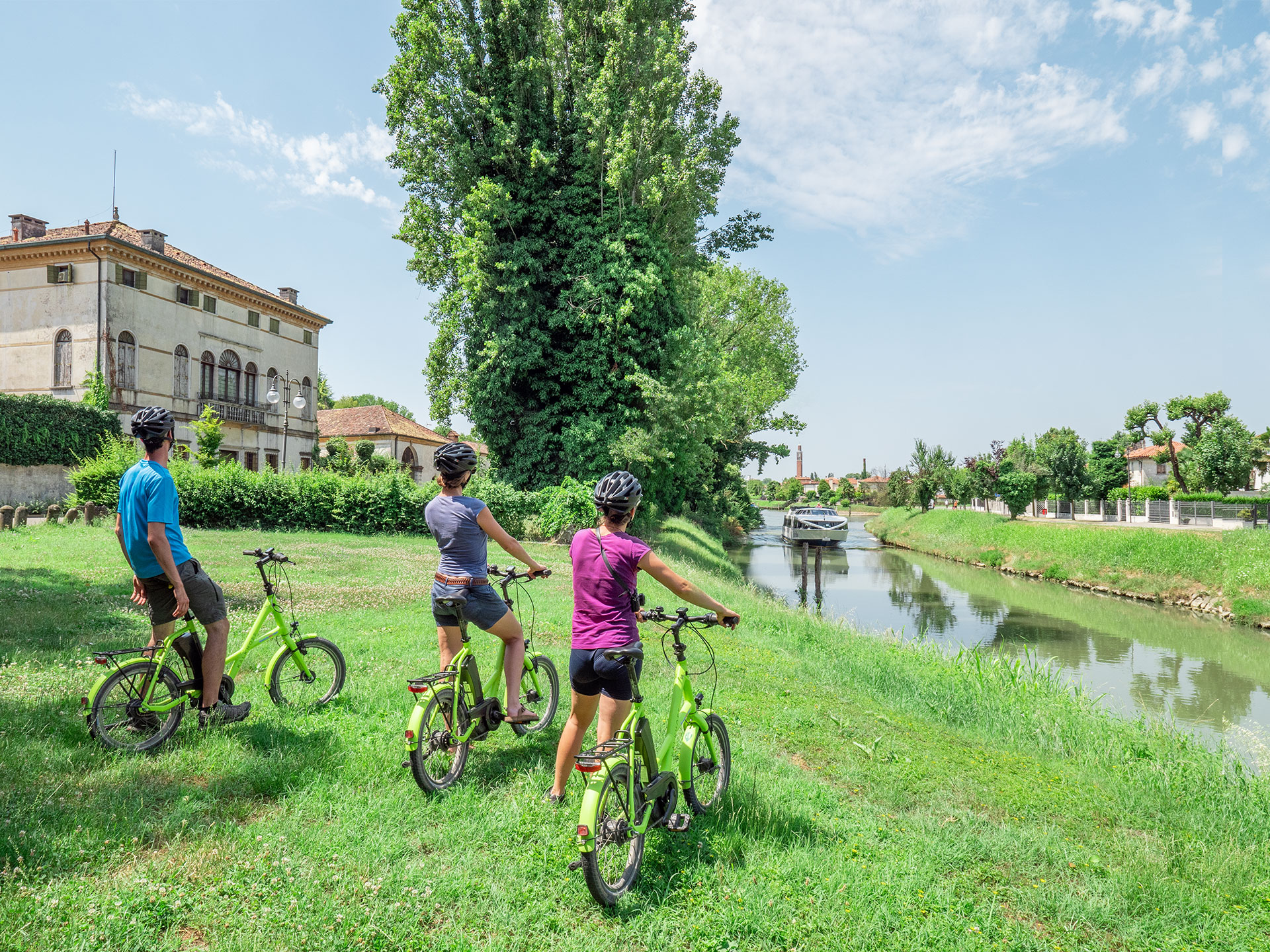
The Riviera del Brenta, Elisabetta tells us, is the only example of a complex system of villas overlooking a single waterway, and together they represent a unique and unrepeatable scenic beauty. The credit for this is undoubtedly due to the Venetian nobles and patricians who built these splendid residences between the 15th and 18th centuries, designed by the greatest architects of the time, such as Palladio, Scamozzi and Frigimelica. The villas were dynamic places, they hosted sumptuous parties and receptions, strolled through romantic gardens, enjoyed outdoor games and even concealed spicy adventures. Yet these airy and elegant settings were also places of power and representation and often hosted important diplomatic meetings and business visits.

What is most impressive is that every villa is different from the other and displays its own one-of-a-kind beauty so representative of the area’s artistic heritage. Each Villa is a treasure chest of curiosities, lived experiences, and Venetian history.
Today, as then, the varied and complex architecture offers residents and tourists on the Riviera a forever new glimpse, that stir an emotion which is simply poetry and magic.
Many of the current owners,’ Elisabetta continues, ’have rediscovered the mission of the Venetian Villas and restored them to their original role as places that stimulate economic development for an entire territory. They have opened them to the public for guided tours and cultural events, for weddings, private parties and corporate events, or transformed them into elegant restaurants and hotels.

Villa Pisani
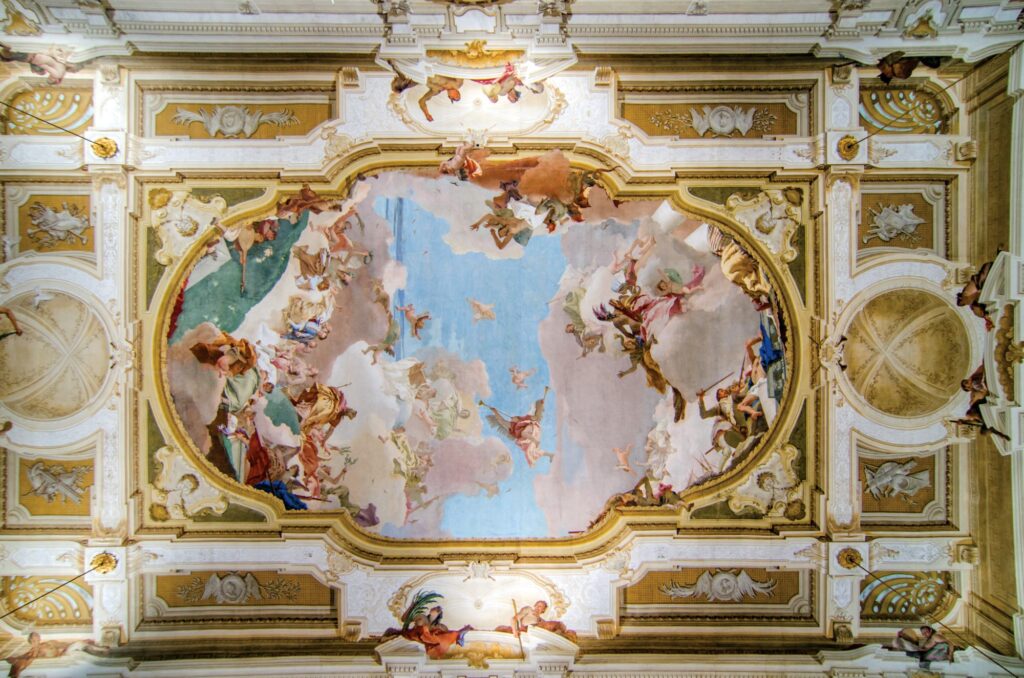
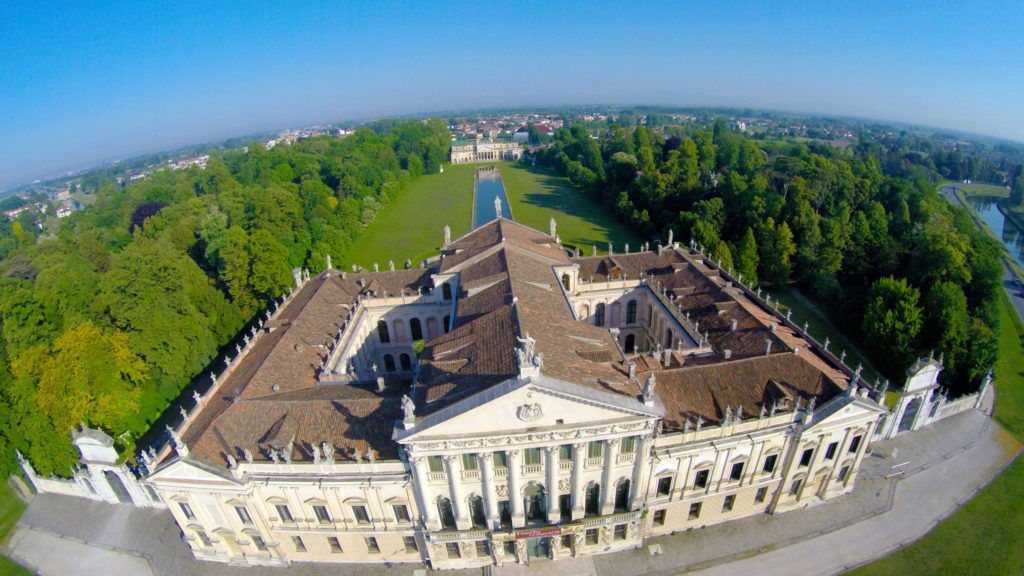
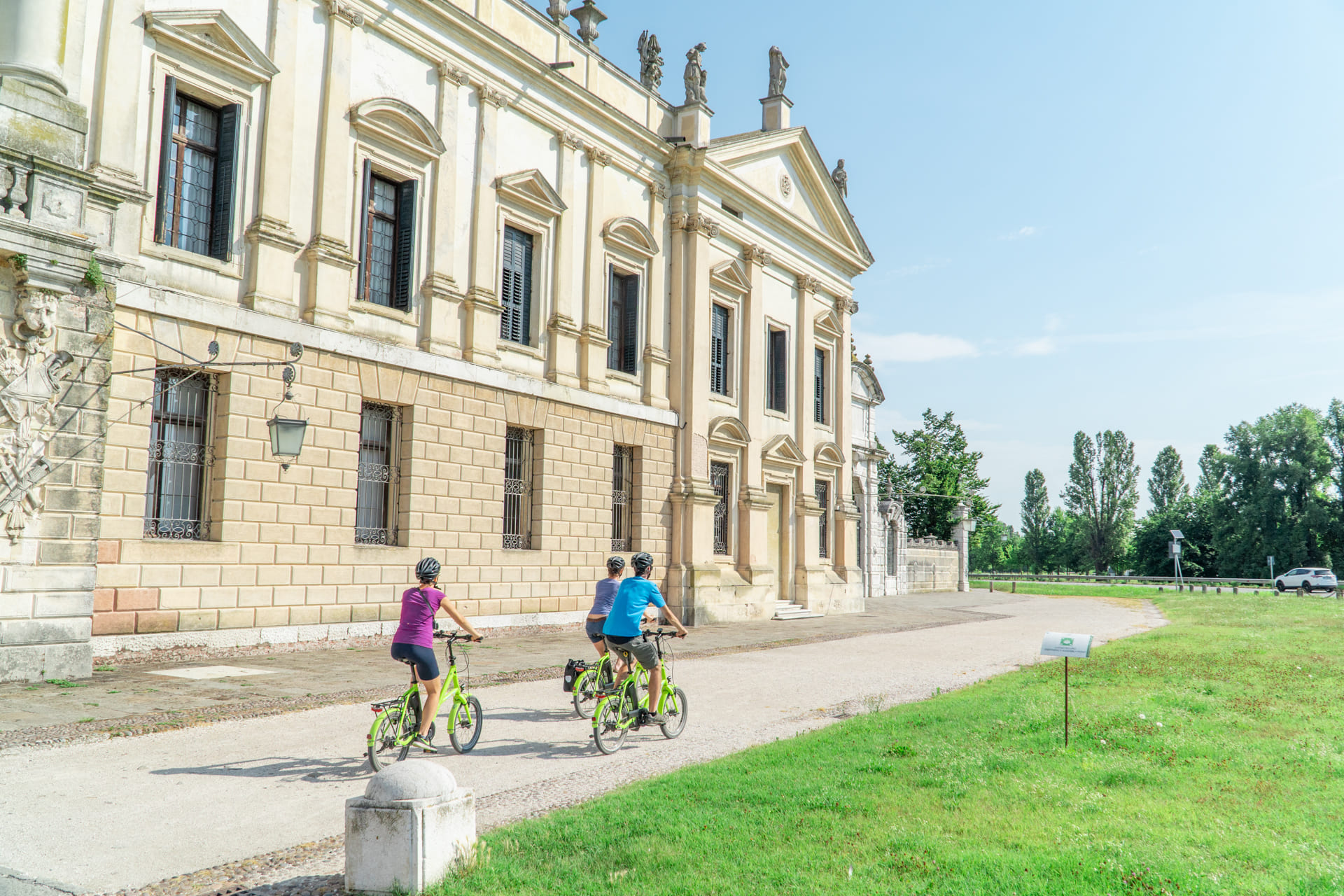
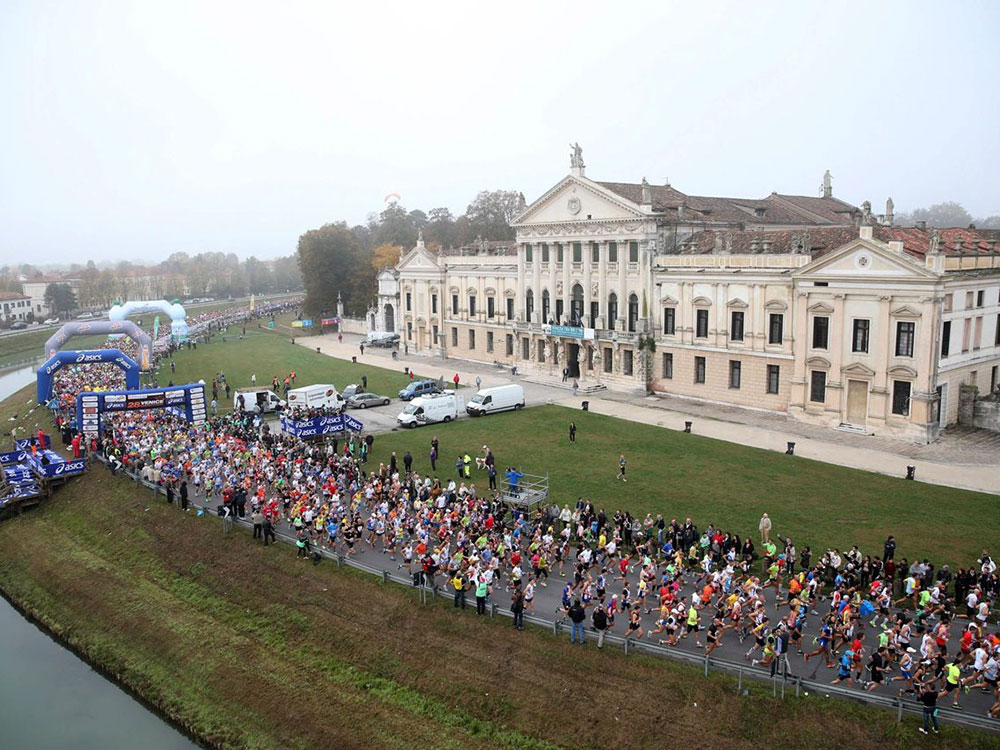
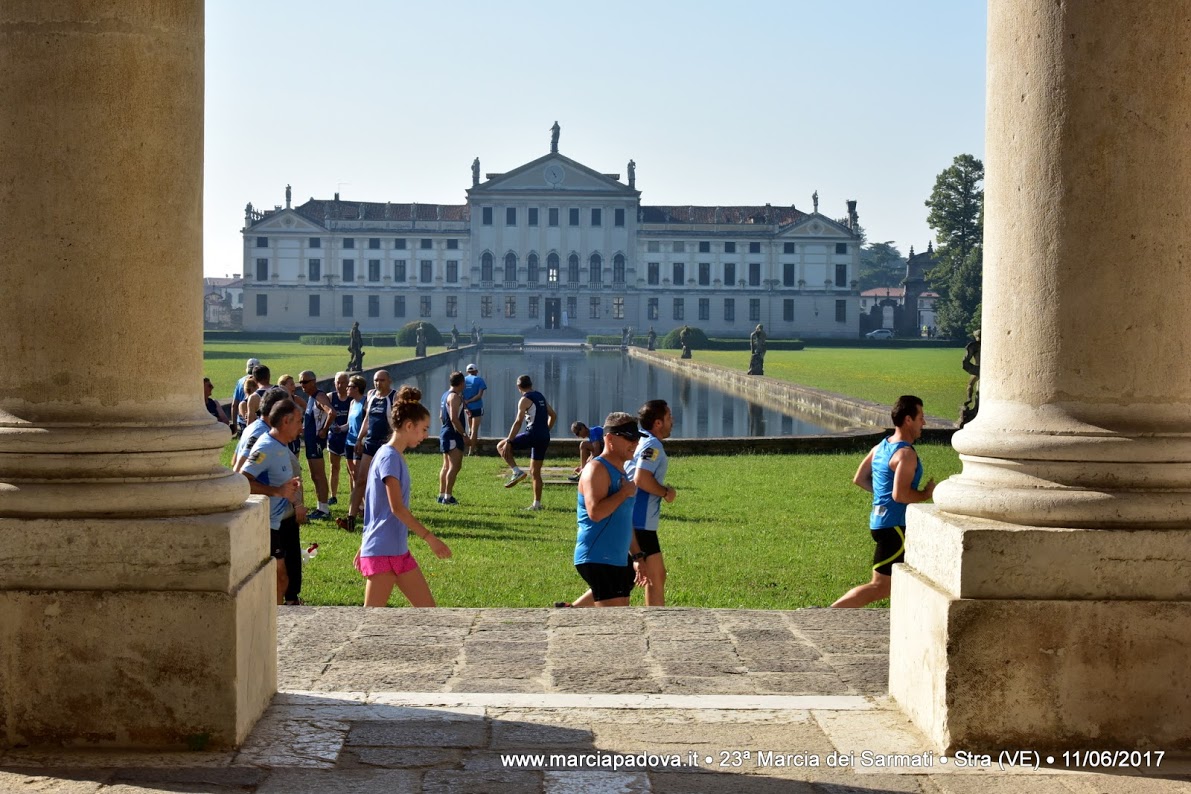
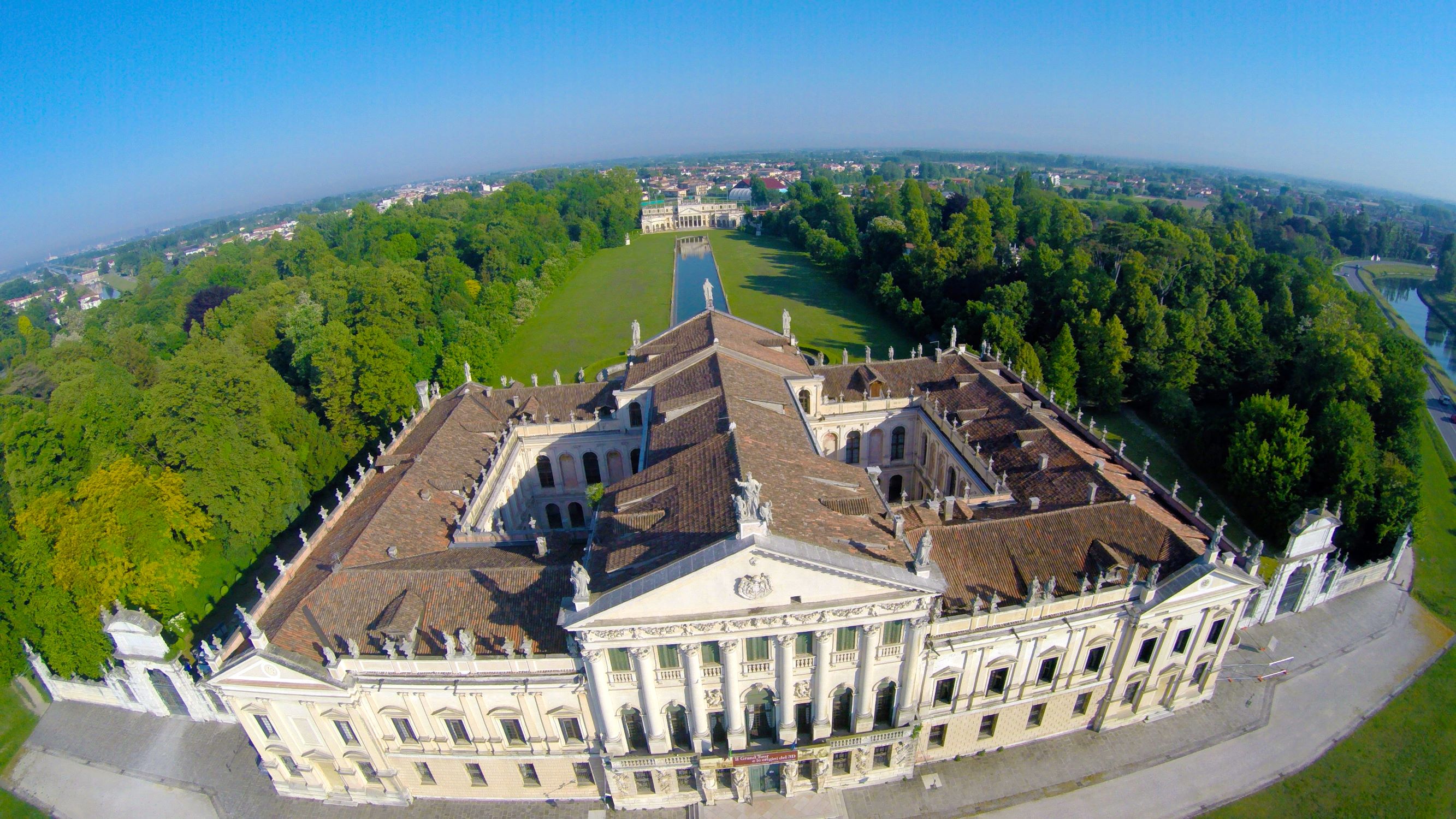
The grandest villa on the Riviera, the Villa Pisani Nazionale in Stra, was erected in the 18th century on commission of the wealthy and prestigious Venetian Pisani family, who owned several properties in the area. The majestic complex, directly overlooking the waters of the Brenta, was commissioned in 1721 by Doge Almorò Pisani as a testimony of the wealth and power of his family. This is confirmed by the self-commemorative fresco ‘Glory of the Pisani Family’, perhaps the most significant of the entire cycle of frescoes painted by Giambattista Tiepolo, located on the ceiling of the majestic Dance Hall. Inside the thirty rooms of the principal floor (piano nobile), beautiful frescoes can be admired depicting mythological scenes and allegories of Arts and Virtues, as well as numerous paintings, stuccoworks, statues and original 18th and 19th-century funiture.
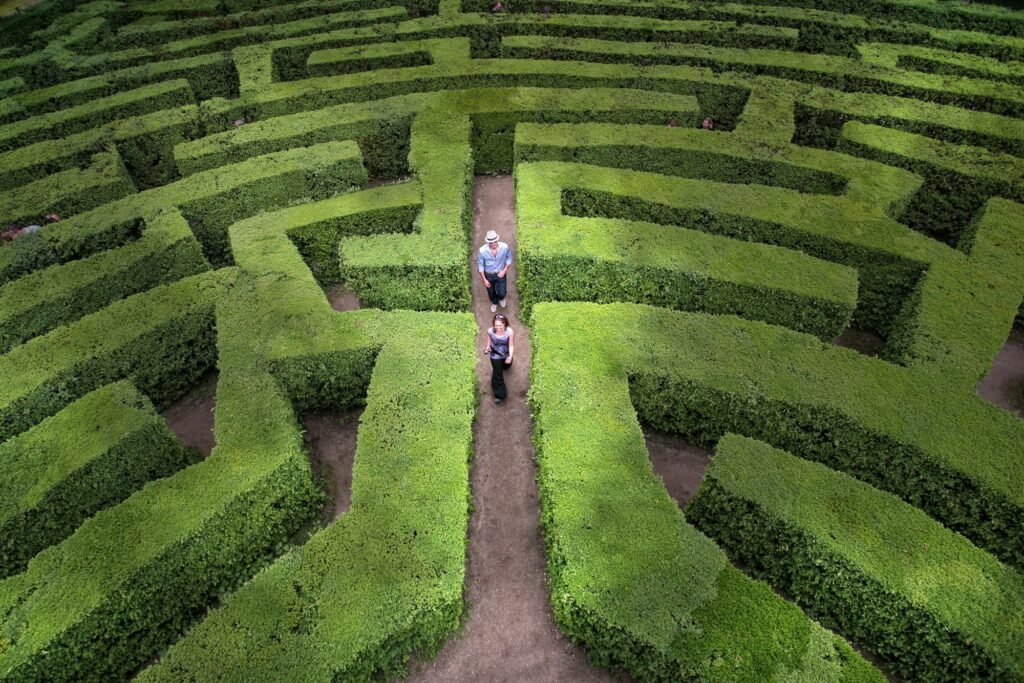
The Villa’s eleven hectares of park that recall both the French model of Versailles and Veneto’s traditional walled garden; the park includes a hedge maze with central tower – physical representation of achieved wisdom – and a pool that dates back to the early 20th-century. It also features a large hexagonal exedra with perspective galleries and the imposing theatrical backdrop of the frescoed stables. Throughout its history, Villa Pisani has hosted many doges, kings and emperors in its precious apartments.

It was owned by Napoleon, the Emperor of Austria and lastly by the Savoy family, who donated it to the State at the end of the 19th century. Nowadays the villa, turned into a national museum, has become one of Veneto’s most visited places and the most iconic spot of the Riviera del Brenta.

Villa Foscarini Rossi
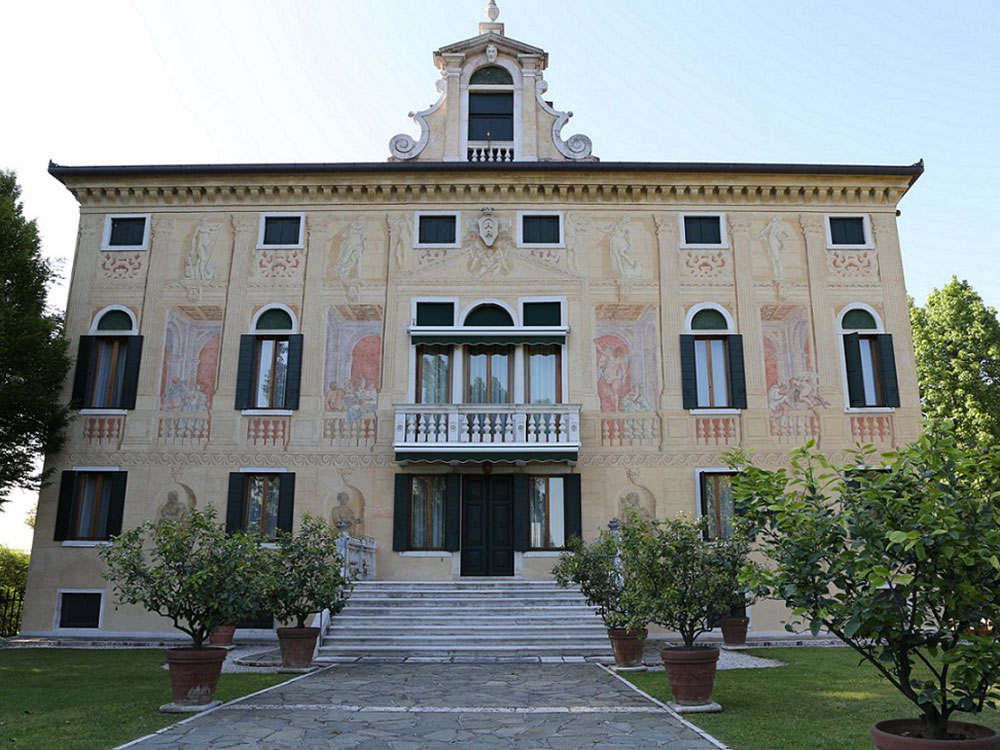
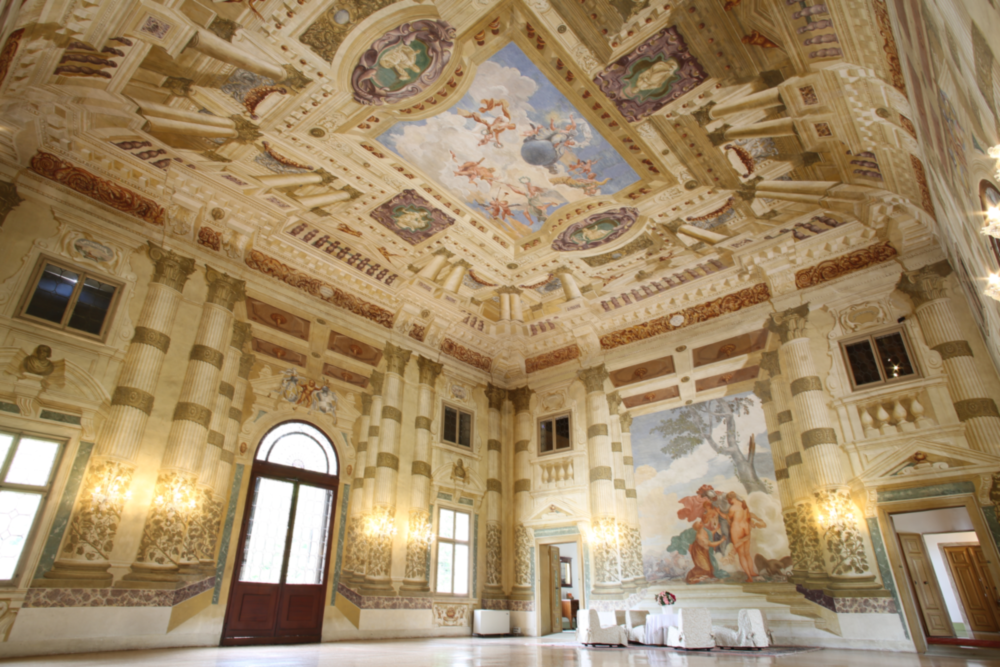
The elegant and classic architecture of Villa Foscarini Rossi di Stra, together with the nearby Villa Pisani, offers one of the most beautiful scenery of the Riviera del Brenta. Designed towards the end of the 16th century by Vincenzo Scamozzi, one of the most important architects of the time, the architectural complex celebrates the prestige of Giacomo Foscarini, the general sea captain (“general da mar”) who played a crucial role in winning the Battle of Lepanto. It consists of the main house, an open barn (“barchessa“) and a guest house. The latter, in particular, of imposing dimensions, has changed its vocation over time: from starting out as rusitc carriage house, it was richly frescoed in 1652 by Domenico de’ Bruni and Pietro Liberi who depicted architectures, perspectives, mythological and allegorical scenes, and finally  was transformed into a splendid and enormous ballroom, that still hosts events, conventions and parties.
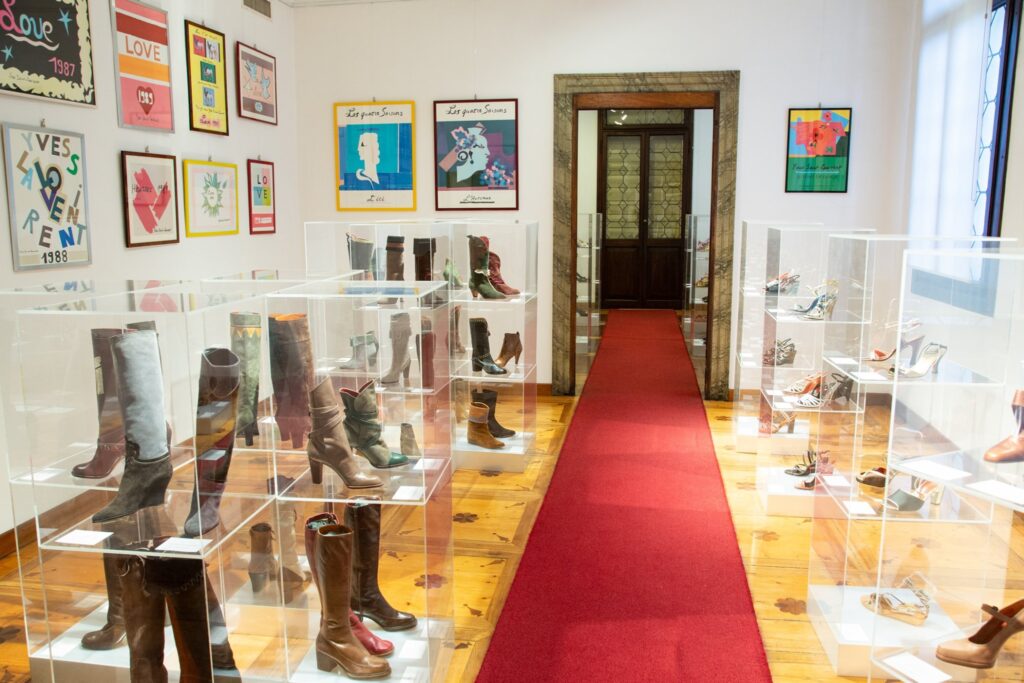
Since 1994, Villa Foscarini has housed the Designer Shoes Museum.

Villa Ducale
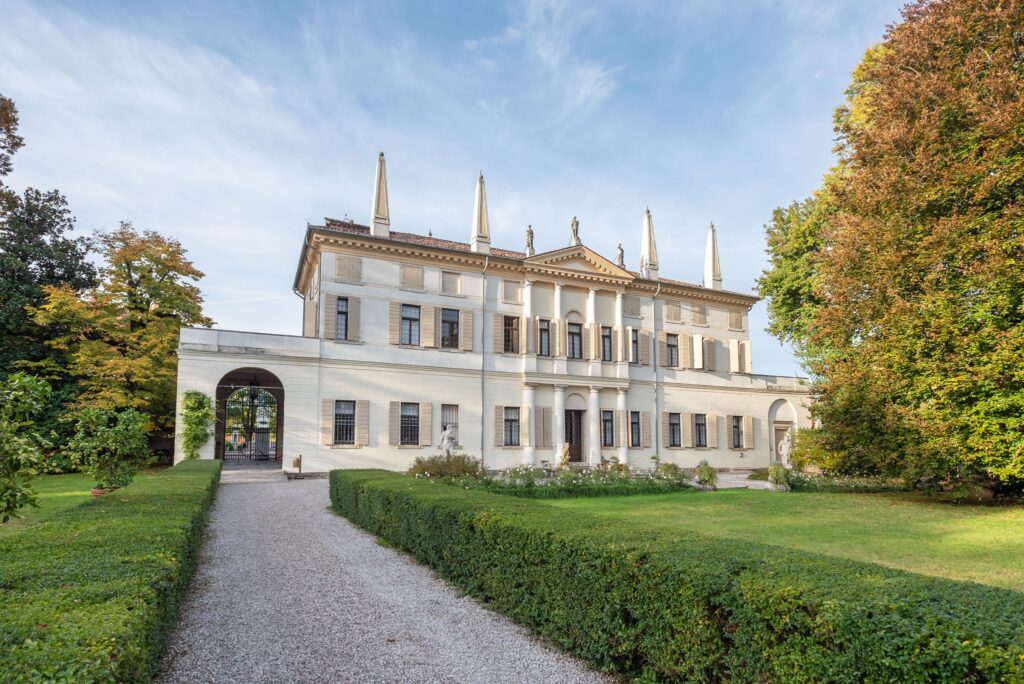
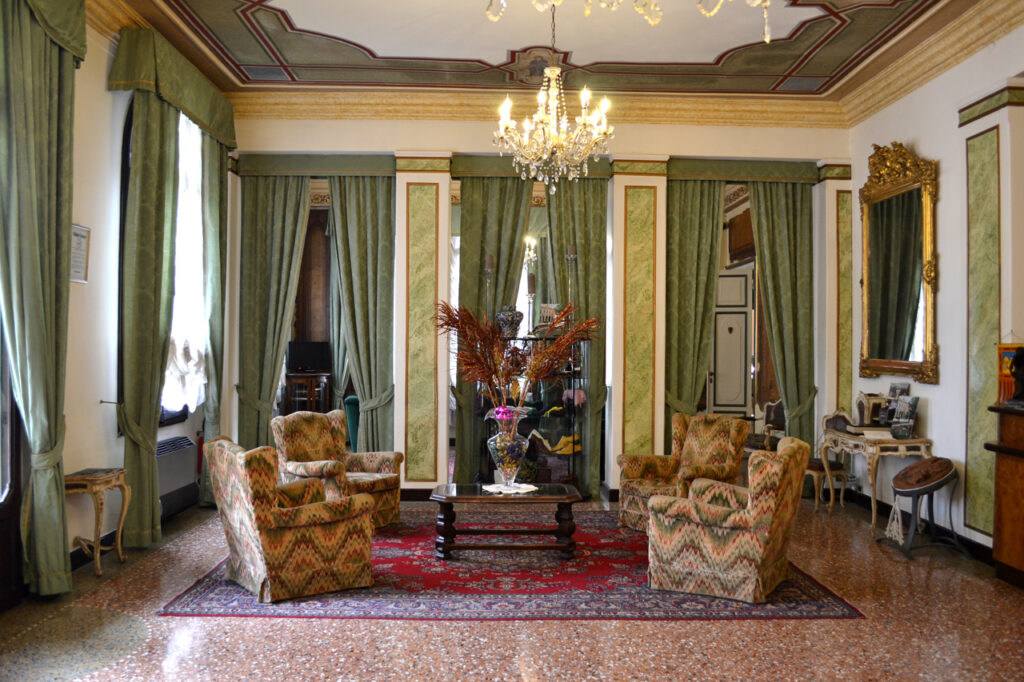
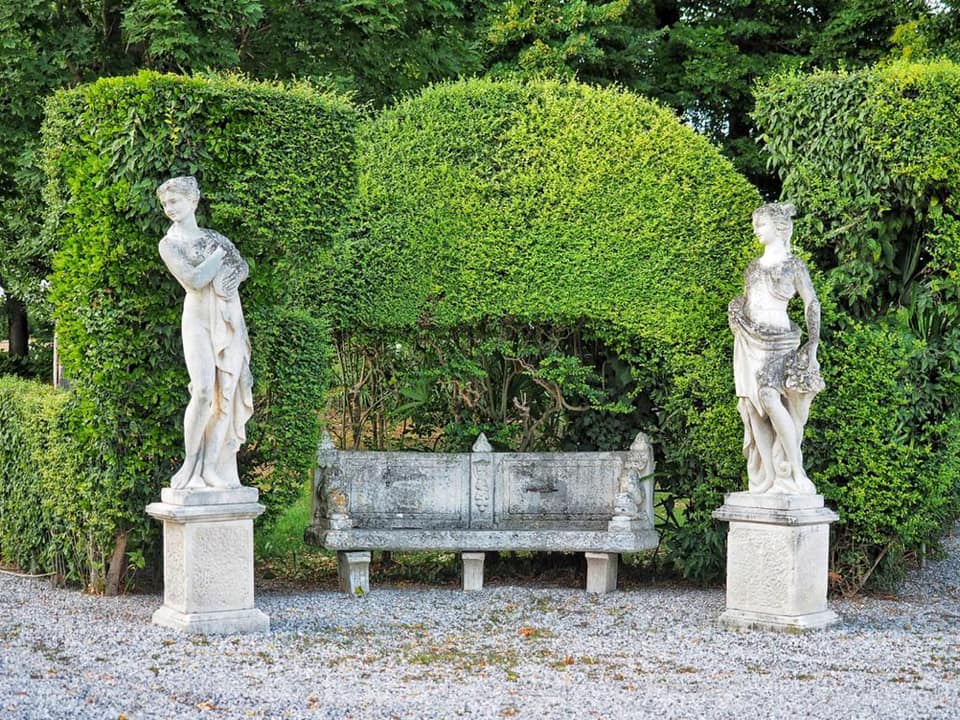
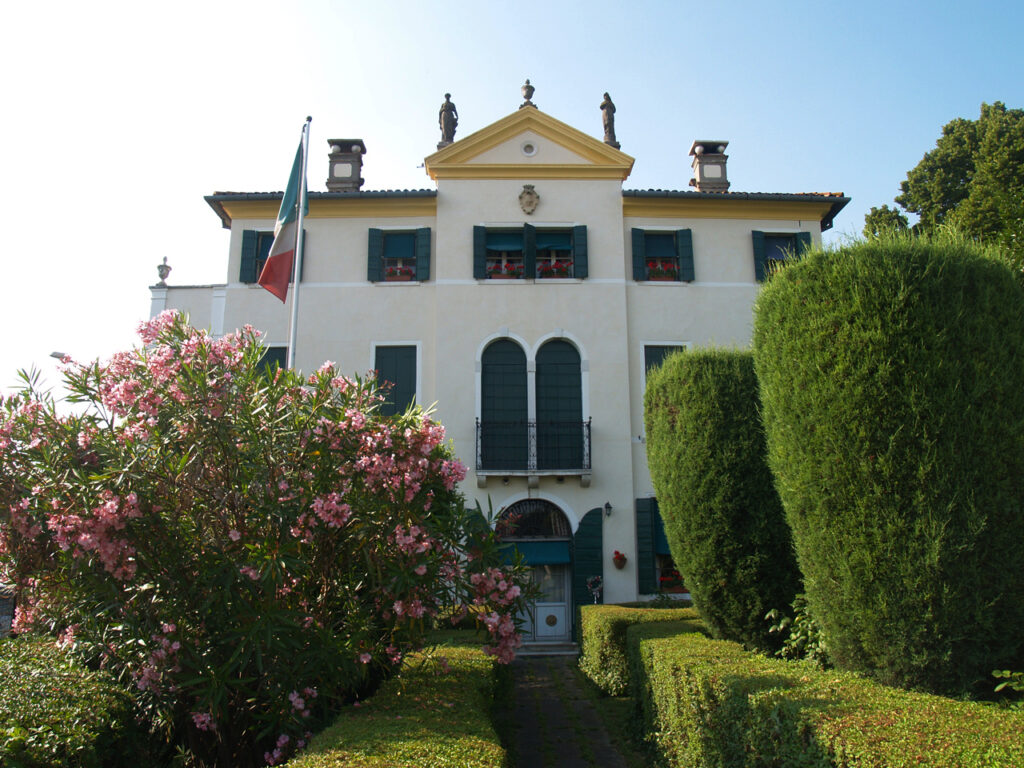
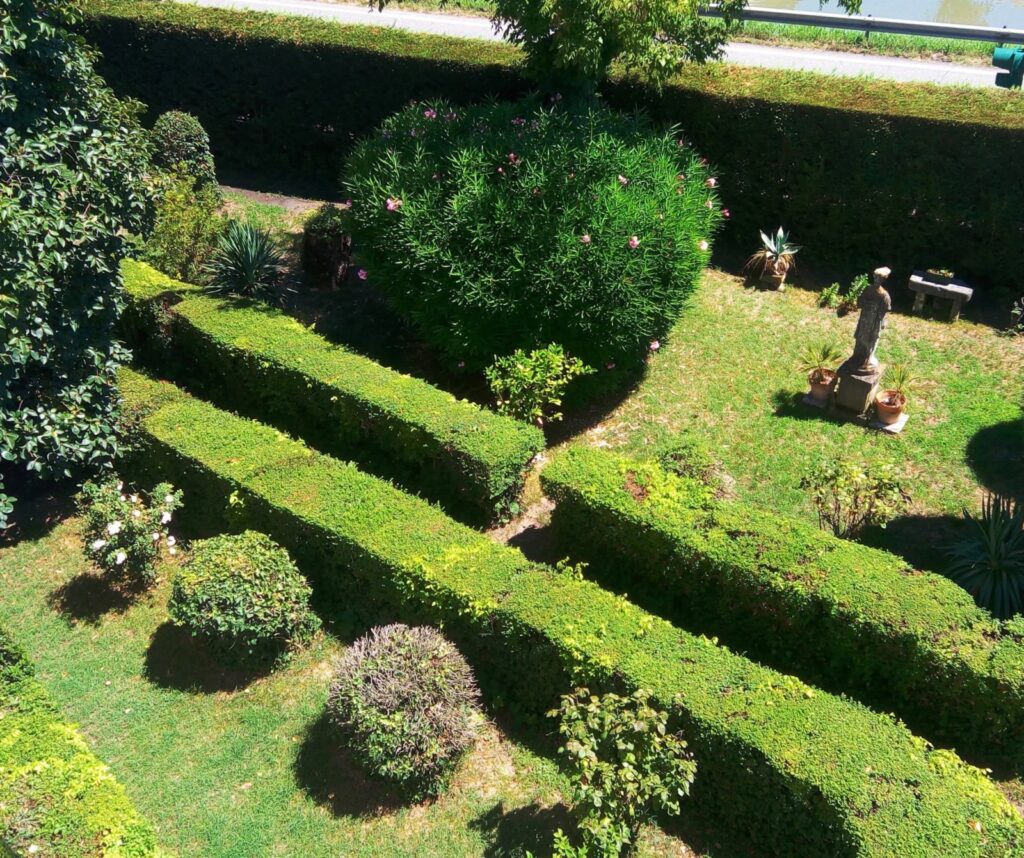
Villa Ducale di Dolo, built along the banks of the Brenta River in 1884 by the Venetian Count Giulio Rocca, stands on the remains of an older 18th-century building, to which the small church and the Italian-style garden with its statues and hedges still belong. The villa has recently been completely restored and furnished. The interior decoration is elegant: each room is embellished with stuccowork, wooden floorings, faux textile wallpaper and ceilings painted with twentieth-century tempera; there are also hints of Venetian opulence with Murano glass chandeliers and mirrors. After several changes of ownership, Villa Ducale has now become an elegant and comfortable hotel and restaurant.

Villa Allegri Von Ghega
During the 18th century, Venice was marked by significant contradictions as government bans clashed with the frivolous and expensive habits much loved by the nobility. Along the Brenta Riviera, however, government controls were less strict, and that is why Villa Allegri was built there. Originally built as a casino and hunting lodge, where the owners spent a lot of their time hosting mundane evenings here in the company of various Venetian friends, it counted among its most famous guests Giacomo Casanova.
Located in Oriago of Mira, Villa Allegri was built in the 18th century as a Casino and Hunting Lodge by the Allegri counts, erected on a structure with 16th-century foundations. At the beginning of the 18th century (1706), the villa was modified into its current structure and used as a gaming and hunting lodge. In 1848, it was home to the Austrian field marshal Radetzky, who commanded the siege from here during the Venetian insurrection against the Austrians. From 1815, Marshal Marmont, Duke of Ragusa and Napoleon’s chief lieutenant, was a frequent guest of the owners of the villa. Today, the property is partly used as a Bed&Breakfast establishment.
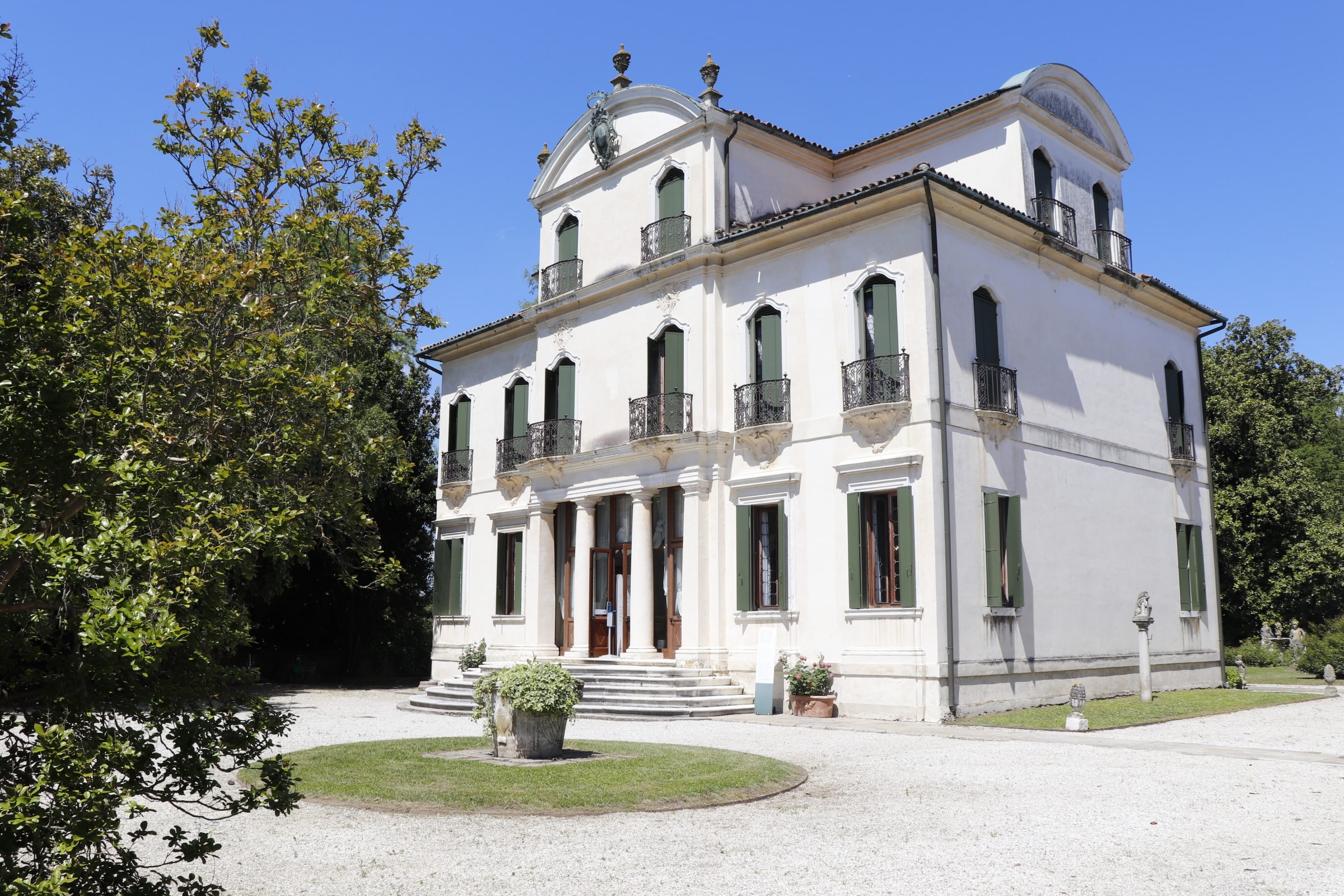
Villa Valier known as “La Chitarra” (“The guitar”)
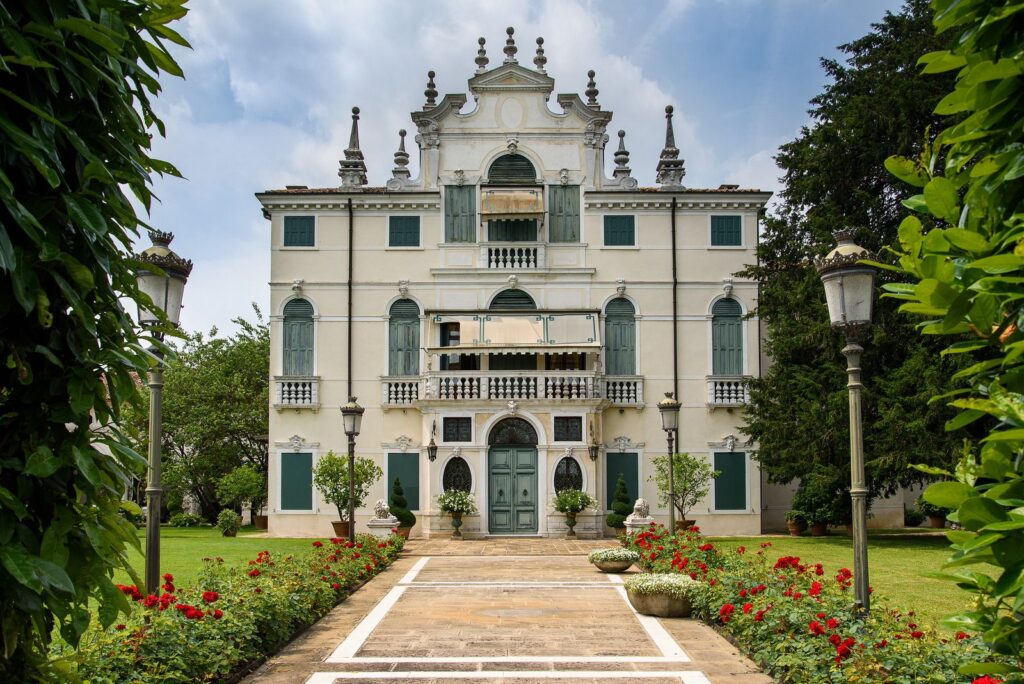
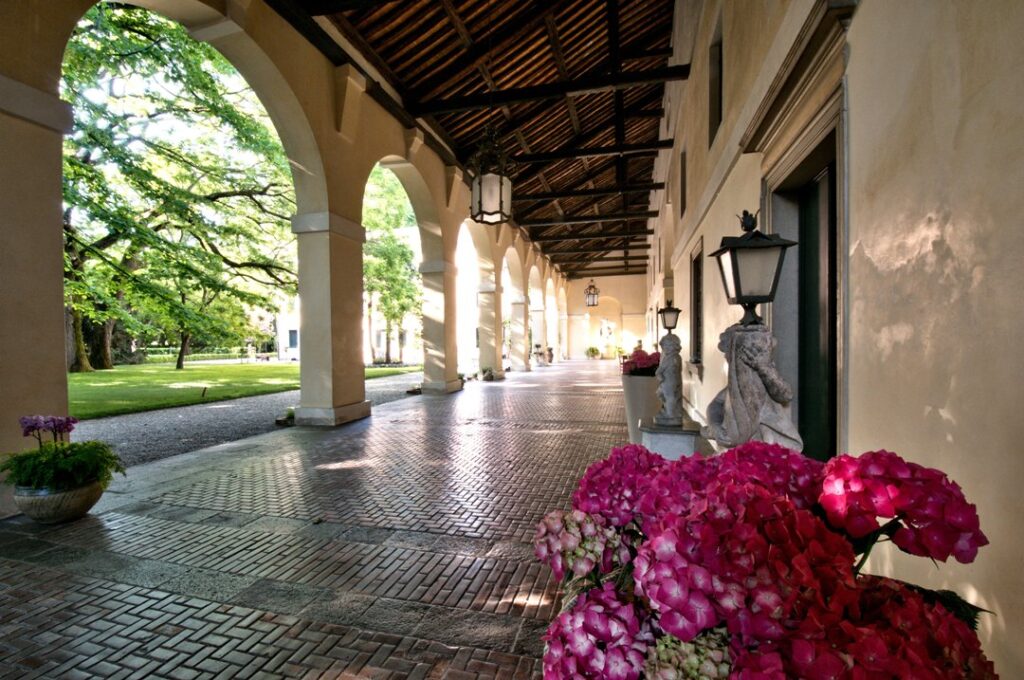
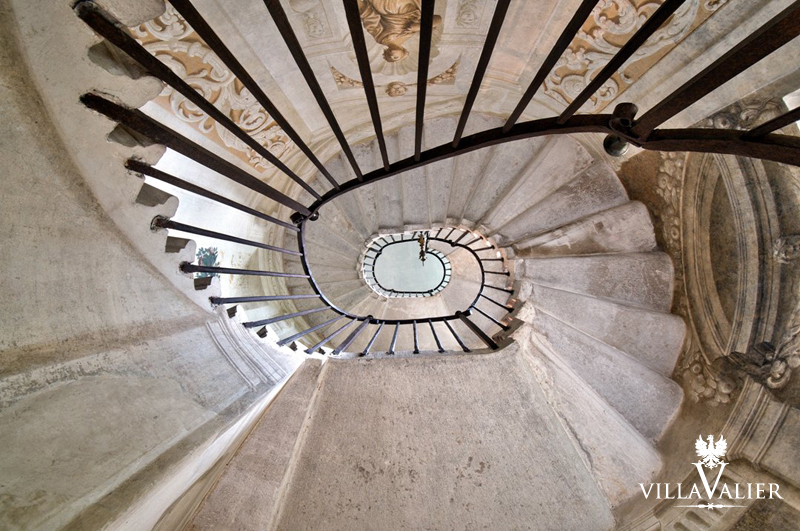
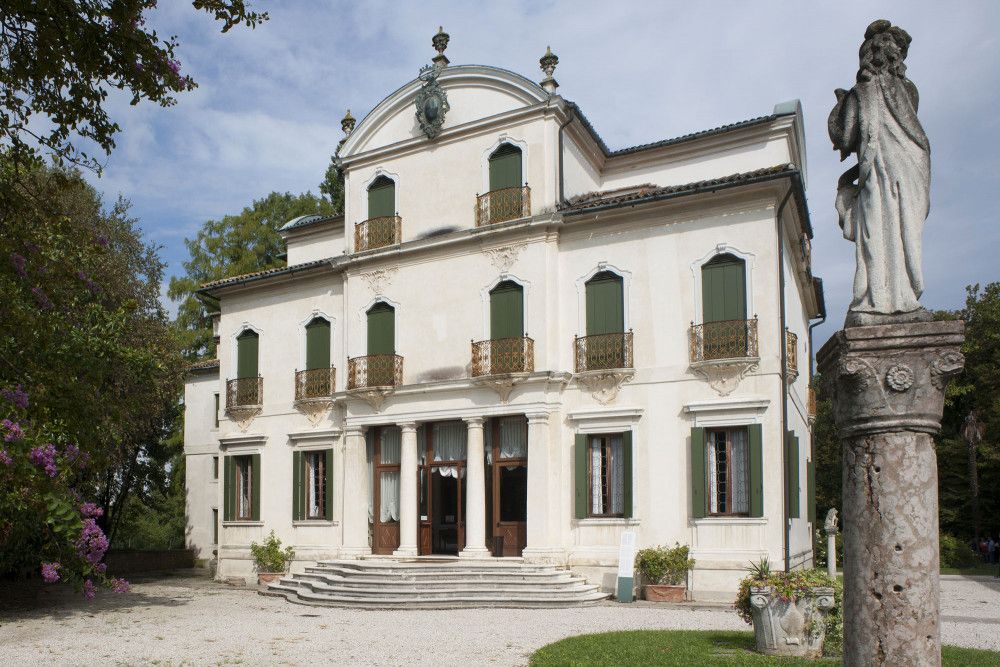
Nestled opposite a bend in the Brenta River, on the outskirts of Mira, Villa Valier is surrounded by a centuries-old park, the original core of which dates back to the 16th century. The complex was commissioned by the noble Valier family, which counted  two doges among its members. The current façade, however, features the early 19th-century changes made at the request of the successive owners of the property and is significantly different from the original one. The previous complex, indeed, was very majestic and embellished with valuable frescoed figures, such as the female guitar player who gave the villa its nickname. The complex also includes a 16th-century oratory and a spacious 18th-century barn (“barchessa“). Under its airy portico it once housed a wine cellar, a granary and other rooms built for agrucultural purposes, which now host events.

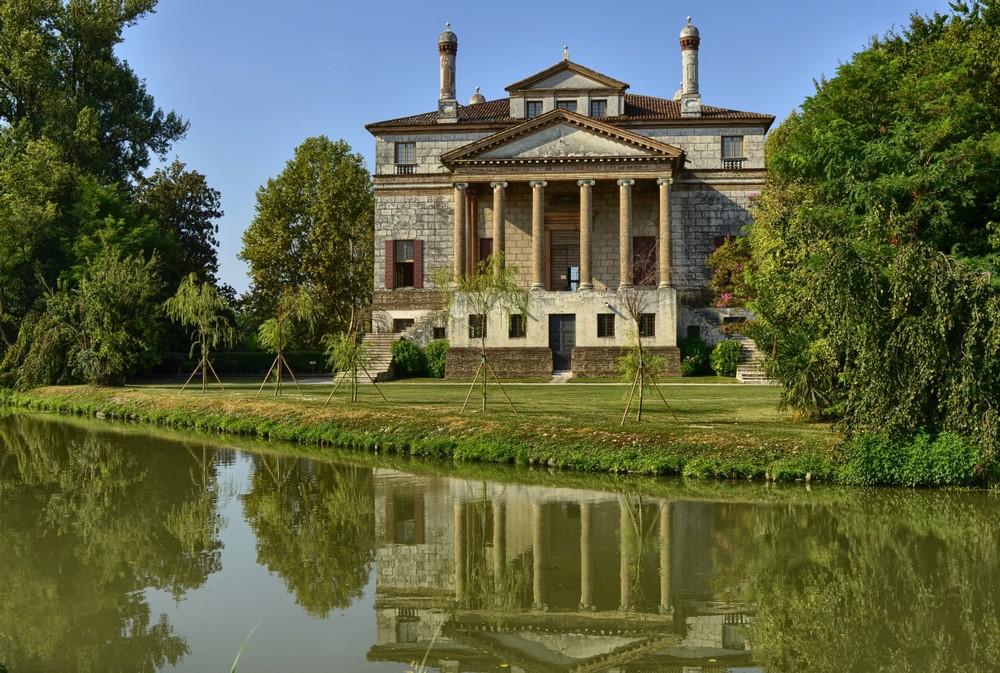
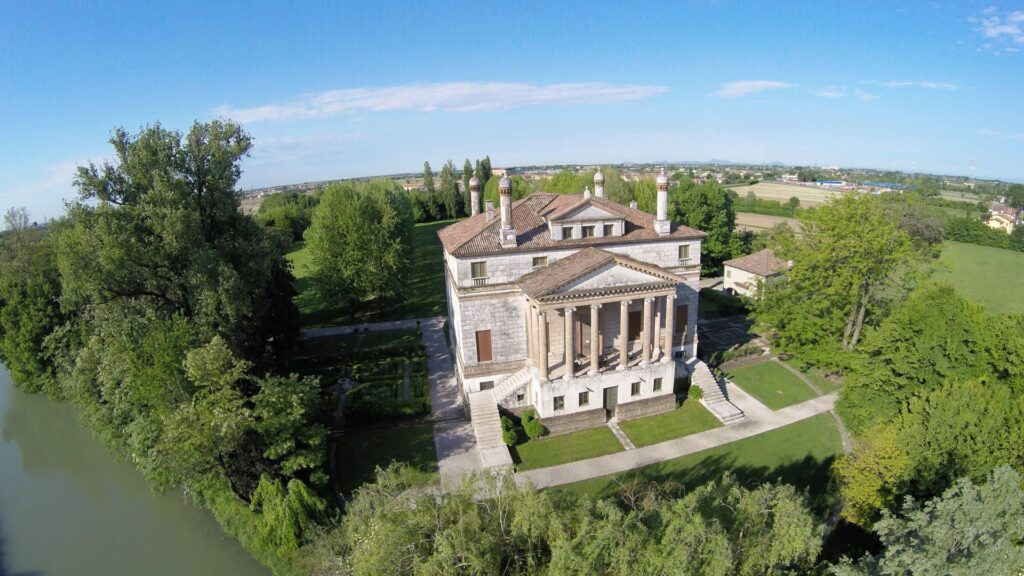
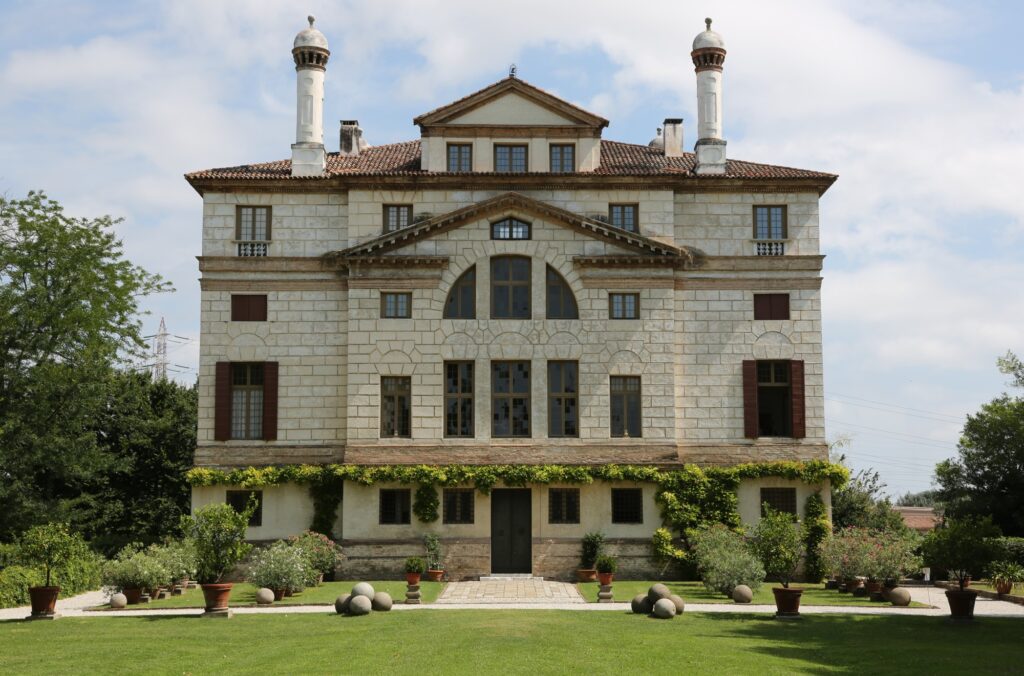
Villa Foscari known as “La Malcontenta”
Designed by Palladio for the brothers Nicolò and Alvise Foscari around 1559, Villa Foscari was built on the banks of the Brenta River and at the edge of the Venetian Lagoon. It is an independent and isolated block devoid of rural outbuildings. More than as a villa-farm, it was configured as a suburban residence, easily reached by boat from Venice’s city-centre. The brothers who commissioned the building belonged to one of the city’s most powerful family and this is confirmed by the imposing and majestic appearance of the villa, equipped with a regal pronaos and a superb colonnade on top of which a tympanum was built. This characteristic of the facade contribuites to its magnificient appearance and makes it look like an ancient temple. Inside, the space is symmetrical in all its parts and houses the autonomous apartments of the two owners. These are embellished in each room with splendid frescoes with mythological themes by Battista Franco and Giambattista Zelotti. Since 1996, the villa has been included on the UNESCO World Heritage List.

Villa Valmarana
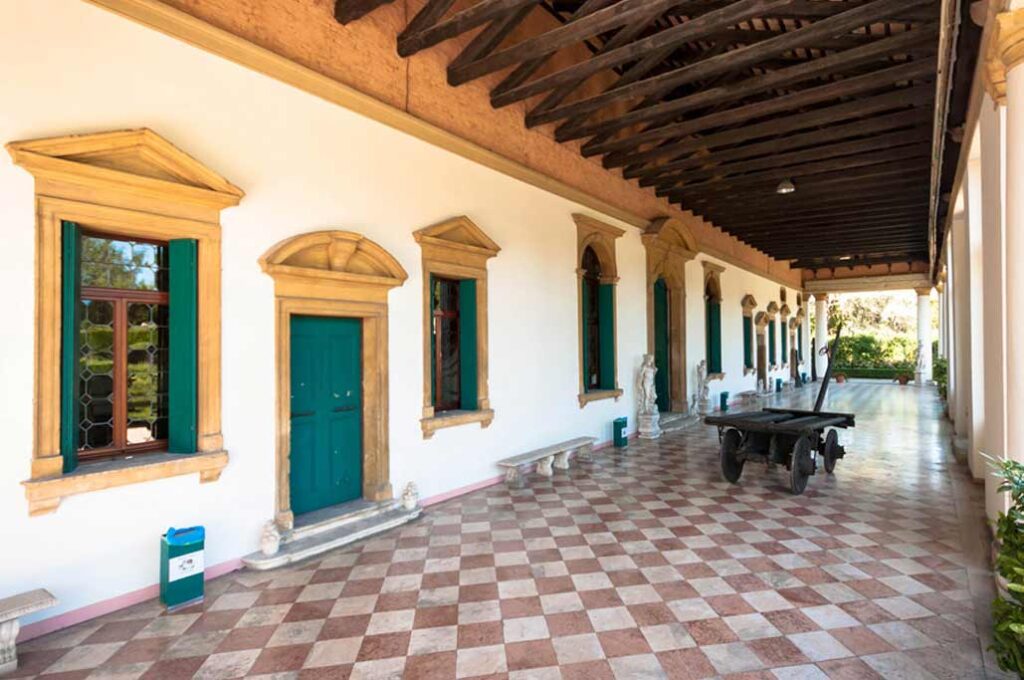
There is no much left of the 17th-century Villa Valmarana in Mira besides the imposing barn (a spacious outbuilding, also known as “barchessa” in italian) where boats used to be stored. The building was in fact destroyed in the early-20th century. In the last decades of the Republic of Venice, the right-hand porticoes changed their vocation in order to serve as a support for the villa during the grand festivities that the Valmarana family used to organize. Apartments were thus created to host guests and to show off the family’s wealth and prestige. The owners deemed it necessary to embellish the rooms entirely with frescoes depicting enchanting fantasy landscapes and statues, furniture and valuable objects. At the back of the barchessa a beautiful park with a well-kept Italian garden, plays host to hedges and secular trees, as well as to over a thousand rose bushes. Today Villa Valmarana serves as a perfect location for events.

Villa Widmann Rezzonico Foscari
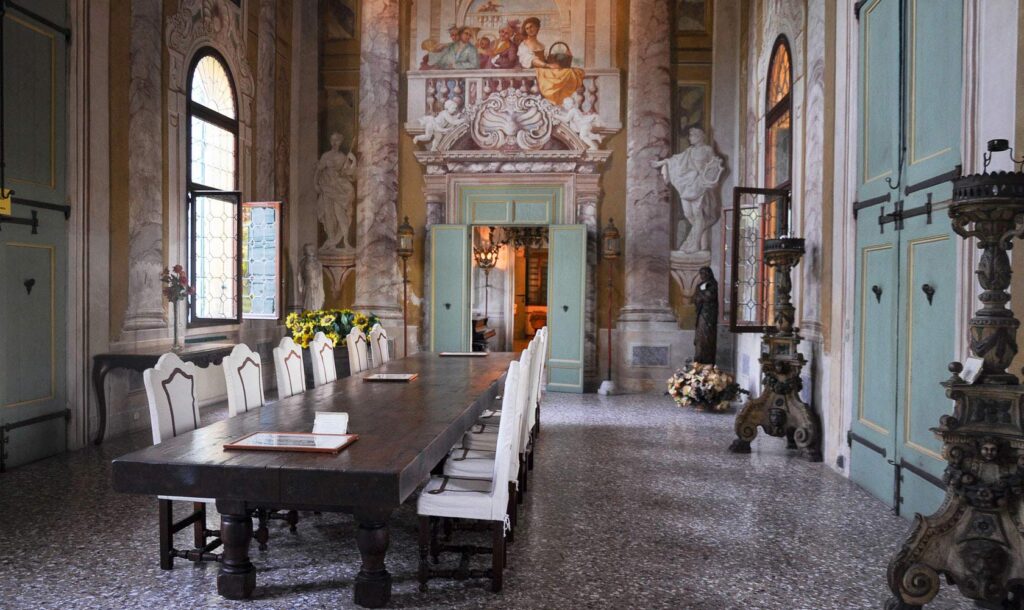
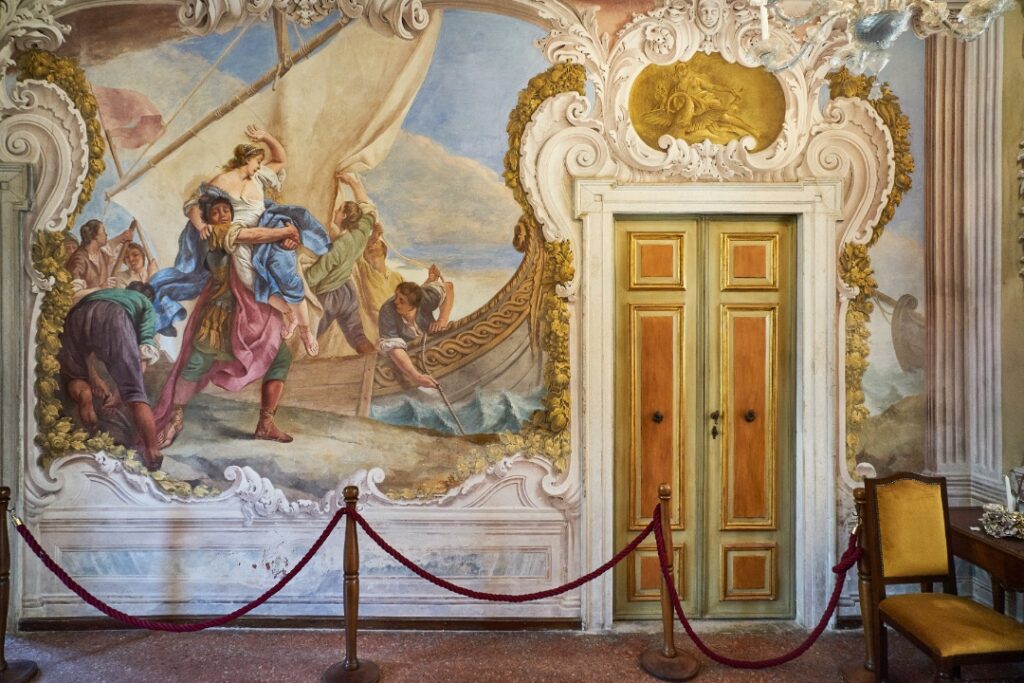
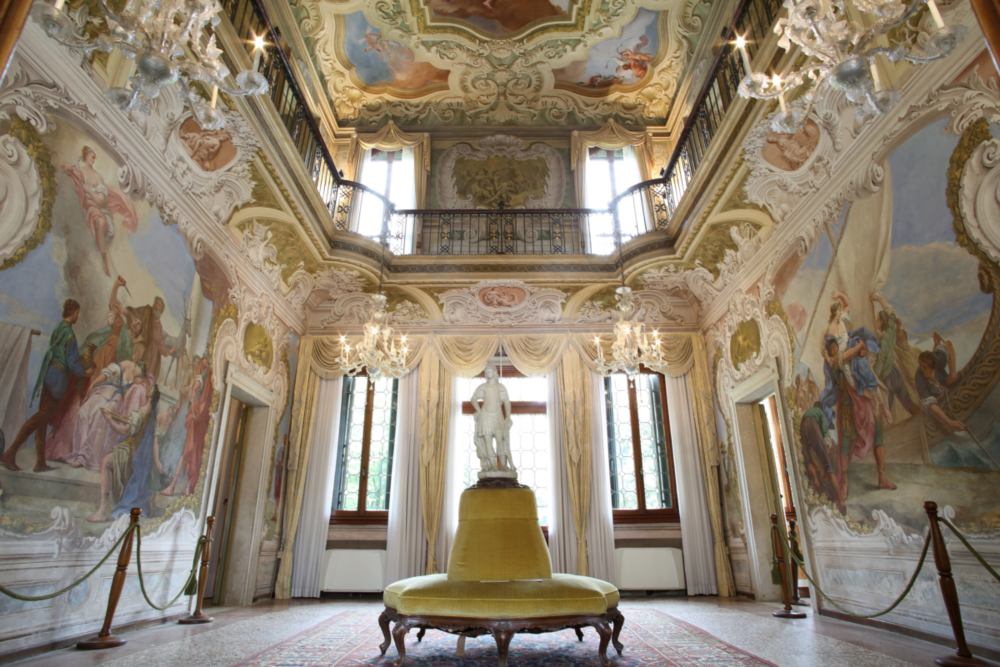
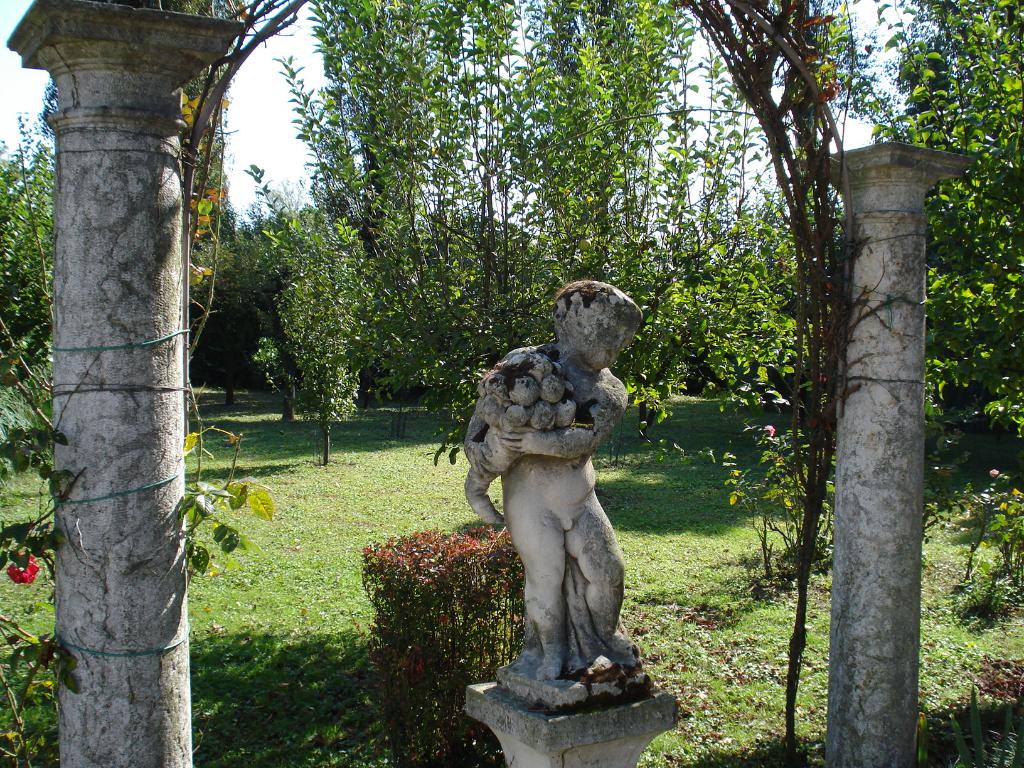
The building complex of the Villa, with its imposing barchessa and a small church, was built in the early-18th century. Immediately afterwards, the villa passed into the hands of the Widmanns, who carried out the modernisation of the manor house, according to the French rococo taste, and the enlargement of the barchessa. Among the many illustrious guests can be recalled Carlo Goldoni, Cardinal Sarto who became Pope Pius X, the musicians Malipiero and Igor Stravinski and Gabriele d’Annunzio, a friend of Count Pietro Foscari, who was a regular visitor. To the north of the villa stretches the park full of plants, avenues of lime trees, bushes and flowers. Numerous sof stone statues stand out against the green pines. They represent gods, water lilies, cupids with arrows: silent presences evoking the fairytale world of classicism. A short staircase leads to the open atrium supported by four elegant columns which introduce into the ballroom, surmounted by a light gallery, frescoed with great decorative opulence around 1765 by Giuseppe Angeli; the frescoed walls depicting ‘The Rape of Helen’ and ‘The Sacrifice of Iphigenia’ are of particular importance.

Villa Badoer Fattoretto
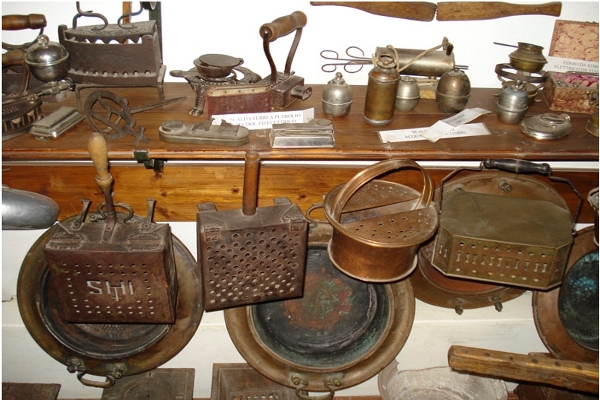
Villa Badoer Fattoretto is a Venetian villa in Dolo, consisting of a 16th-century central body and two lateral barchesse (barns) dating back to the second half of the 18th century and remodelled in the 19th century. The building complex is part of a secular park extending over 20,000 square metres, furnished with period statues and marble. It was for a long time the summer residence of the Badoer family, but in 1846 the last Badoer heirs sold it and in the following decades it changed hands repeatedly. In 1903 it was purchased by Baron Carlo de Chantal, for the purpose, the story goes, of being near his lover, who lived in the house opposite; inside the park a beautiful pond with an islet remains from this period. An interesting ethnographic museum ‘il Museo de Villano’ has been set up inside the barchesse, exhibiting more than 22,000 objects, in which historical documents, musical instruments, the first rudimentary agricultural machinery and tools related to the “life of the peasant farmer (“villano“)”.

THE PERSON

Elisabetta Fogarin

President of the Ville Venete Consortium

Choose your travel experience in the Riviera del Brenta

Instagram

@larivieradelbrenta

Follow us